

Every customer insight, one research repository
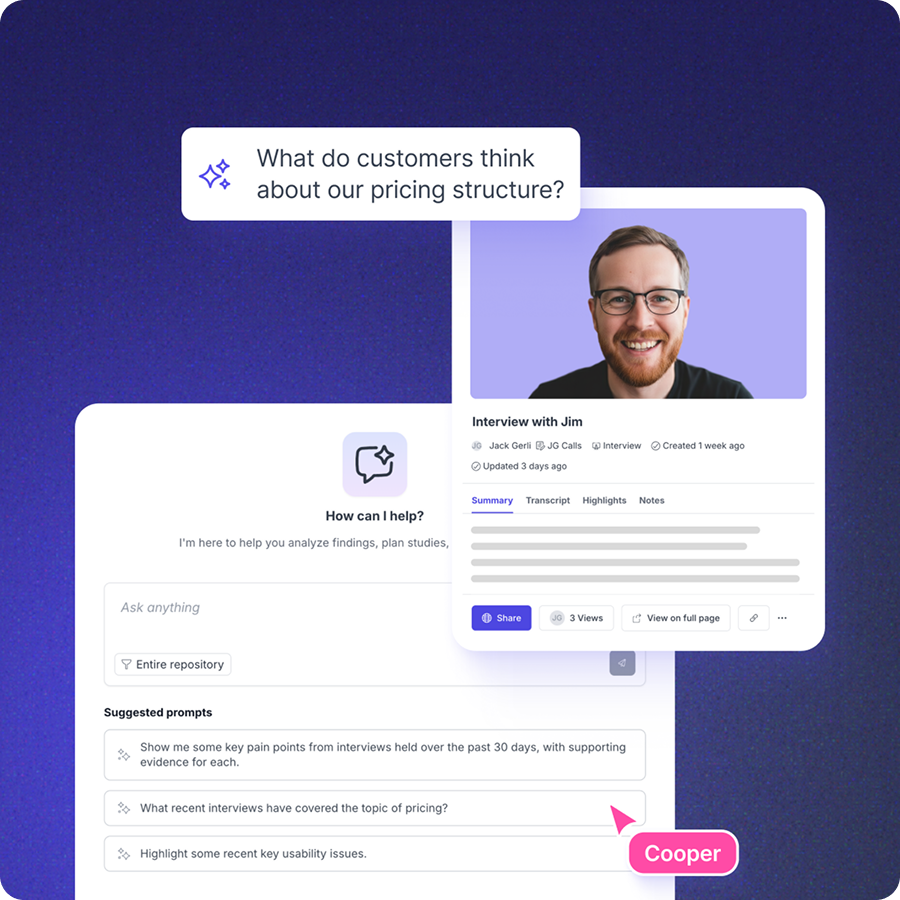
The problem with most AI research synthesis isn't capability, it’s trust.
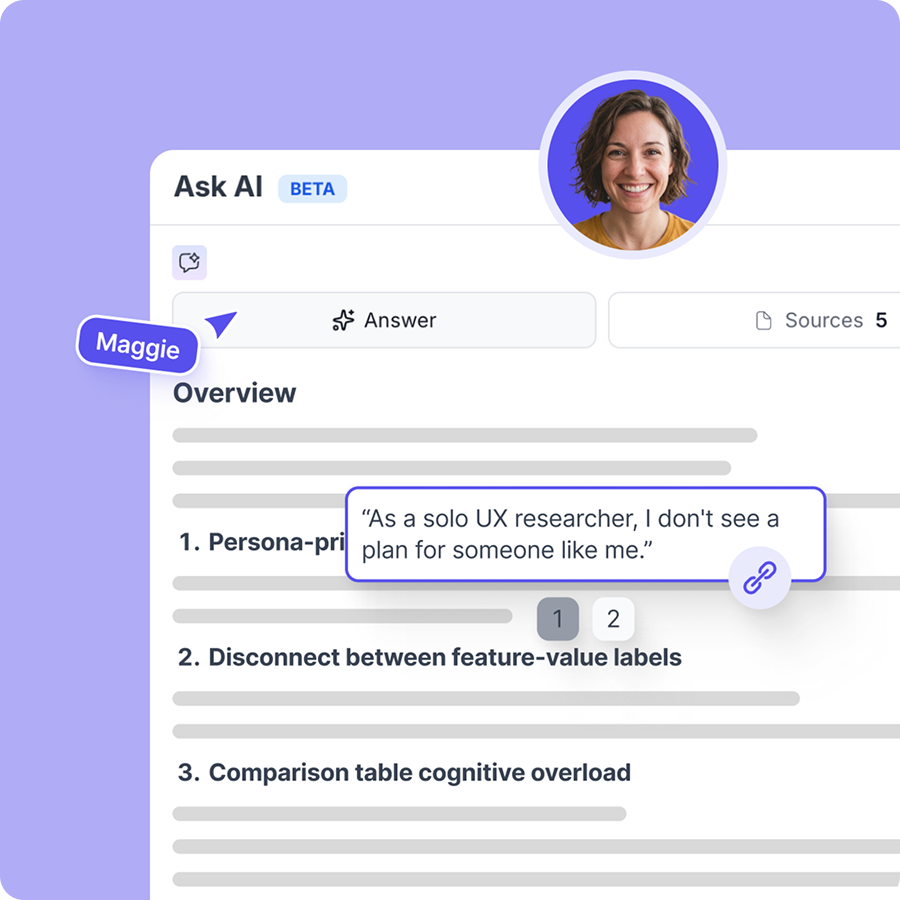
That's only half the problem. User interview analysis shouldn’t mean hunting through transcripts. Your product manager opens Claude, your designer opens Vercel, and none of them have access to what customers actually said.
AI research synthesis: patterns across studies, found in seconds
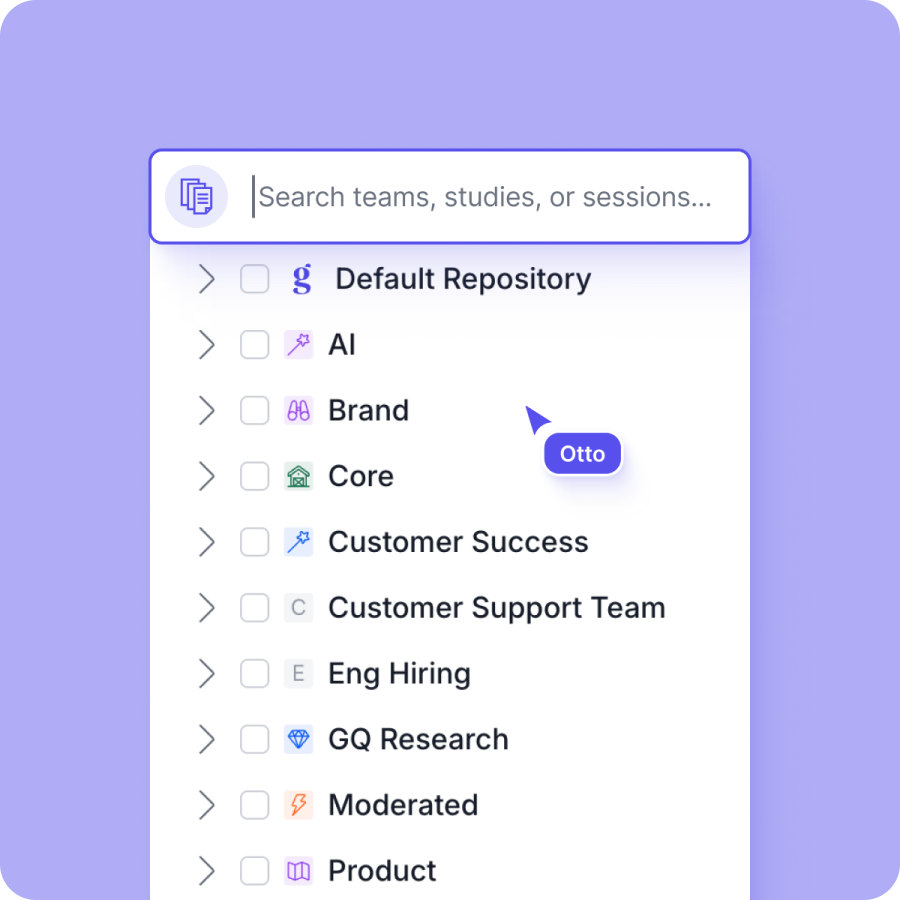
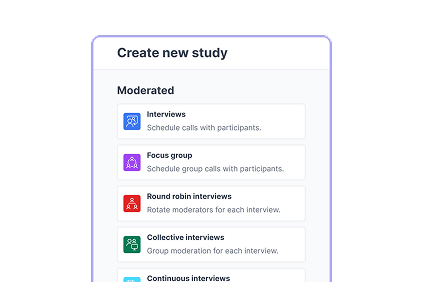
Every interview, survey, and prototype test in one place
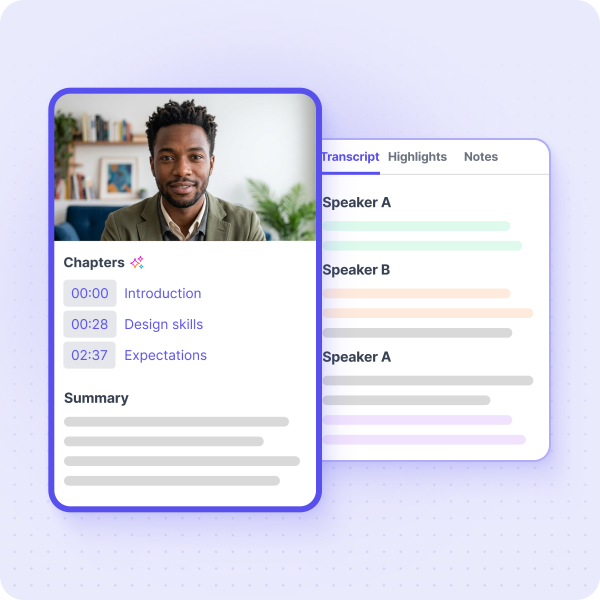
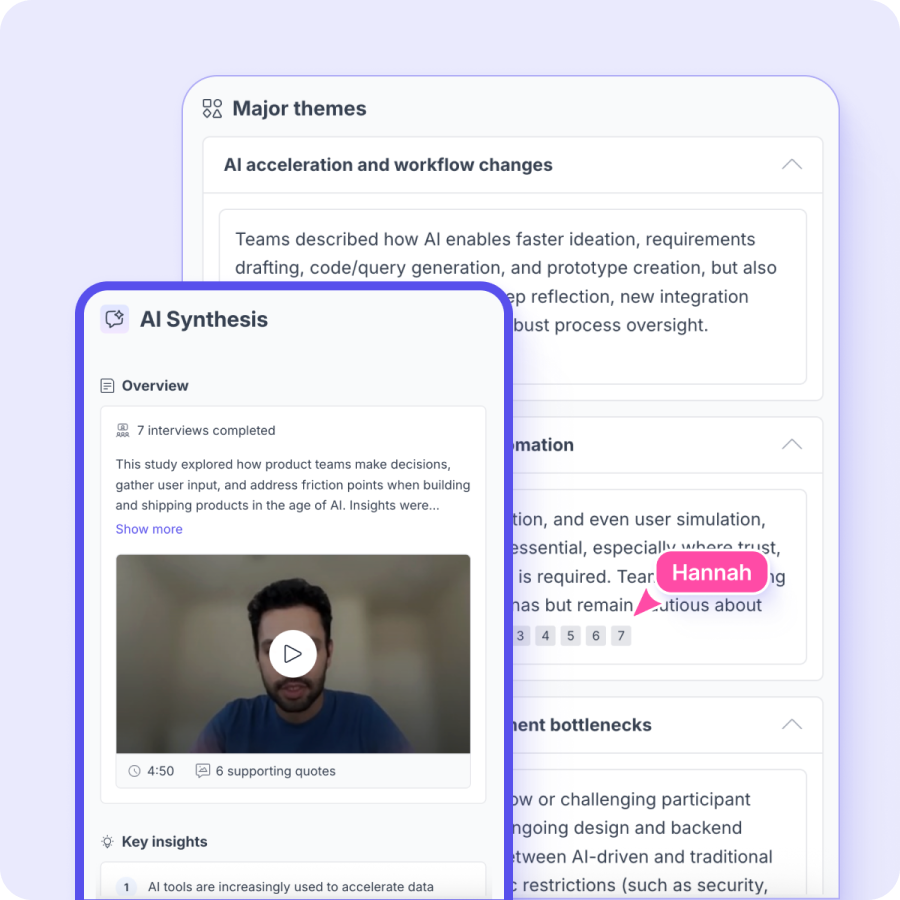
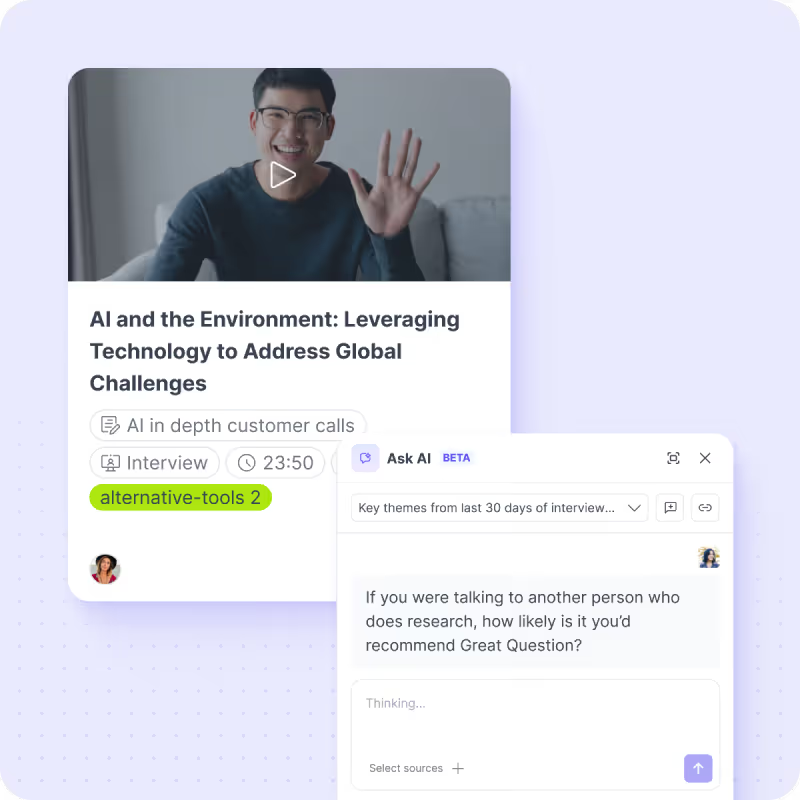
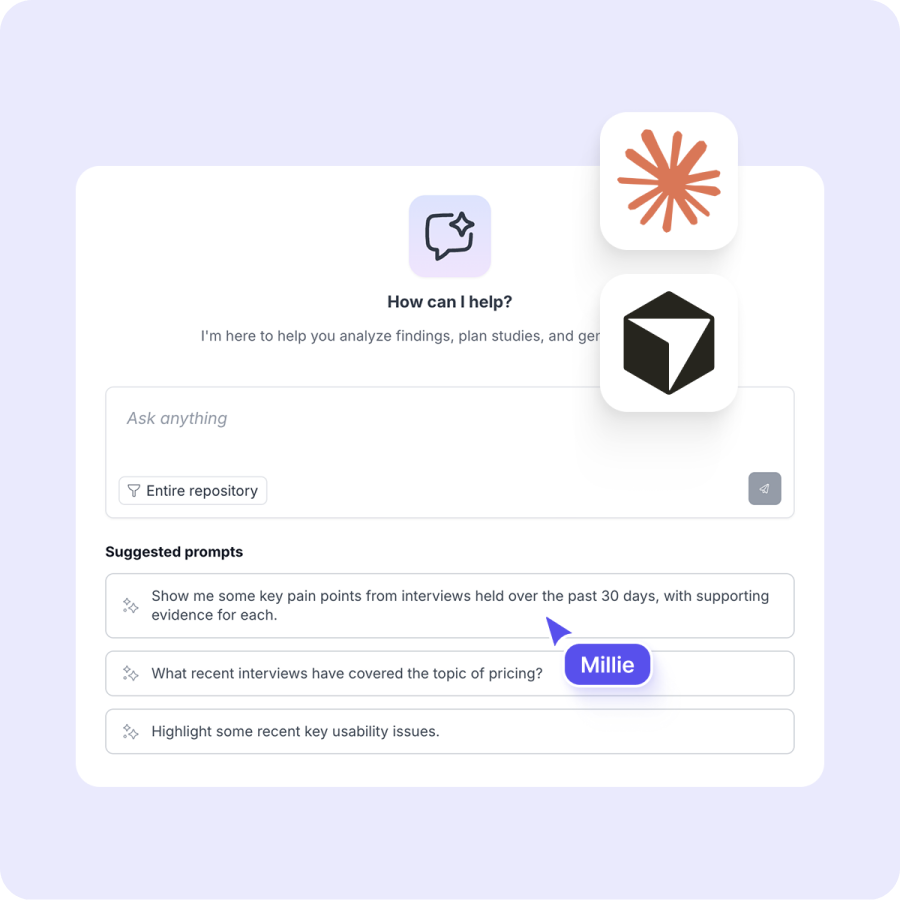
Your best research is the research you already have
Trusted by the teams democratizing research









Research-grade AI you can trust
Great Question connects every step of research together
Frequently asked questions
Ask AI supports a wide range of query types, so you can explore your research from virtually any angle.
- Topic-based — "What feedback have users given about dashboard navigation?"
- Time-based — "What usability issues came up in the last 6 months?"
- Comparative — "How has sentiment about our onboarding changed over time?"
- Prevalence — "How commonly do users mention the export feature as a pain point?"
- Participant filtering — "What did enterprise customers say about pricing?"
- Trend spotting — "What new themes are emerging in recent customer interviews?"
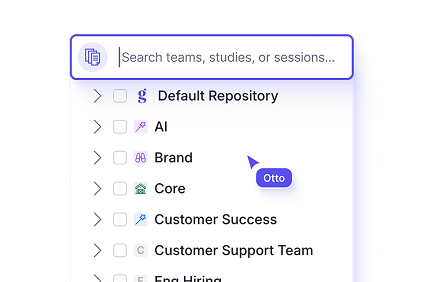
You can also scope questions to specific teams, studies, or time periods for more targeted results.
C
Comparing repository tools? Read our guide to UX research repository tools for a side-by-side breakdown of 8 platforms.
Every answer Ask AI generates is grounded in your actual research data. It ties each claim to a specific verbatim quote from a specific session, so you can verify any finding in one click. If the evidence isn't in your repository, Ask AI tells you "not found" rather than making something up. It also validates that retrieved content actually answers your question before including it, so you never get filler or tangential results.
Yes. Ask AI is designed for researchers, product managers, designers, and executives alike. Researchers can use it for deep synthesis across studies, while stakeholders can self-serve simple questions without needing to wait. Granular role-based permissions let you control exactly who has access to which data and features.
Participant privacy is built into the foundation. Speaker identification uses handles only, so real names never surface in AI responses. Great Question is SOC 2, GDPR, and HIPAA compliant, with fine-grained visibility controls and data retention policies to keep your research secure and audit-ready.
Ask AI works across every research method supported by Great Question, including interviews, prototype tests, card sorts, surveys, and unmoderated tests. It searches transcripts, summaries, highlights, and tags from all of these study types. The more research you run, the more valuable Ask AI becomes as your repository grows.
A centralized, governed system where interviews, usability tests, surveys, and their insights are stored, tagged, and searchable across product, design, and research, with the permissions and taxonomy controls large organizations need to scale research without losing quality. Check out our comparison of the top research repository platforms for ResearchOps.
Why use a research repository?
A research repository tool stores every study, transcript, insight, and artifact your team produces in one searchable place. Without one, insights decay, they live in individual Google Docs, Slack threads, and slide decks that nobody can find six months later. With one, every new study builds on everything that came before.